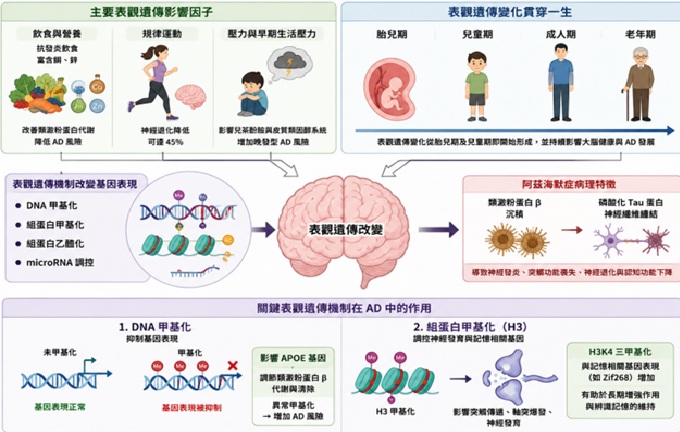
Research has shown that diet, physical activity, and stress are important epigenetic factors influencing Alzheimer's disease (AD). An anti-inflammatory diet rich in copper and zinc may improve amyloid protein metabolism and reduce the risk of Alzheimer's disease. Oysters, red meat (such as beef chuck and lean pork), and seafood are excellent sources of zinc. Nuts (such as cashews and almonds), sesame seeds, dark green leafy vegetables, and beef are rich in copper, which helps support antiviral defense and regulate inflammatory responses. In addition, consuming more omega-3-rich fatty fish (such as salmon and mackerel), anthocyanin-rich berries, and cruciferous vegetables (such as broccoli) may further enhance anti-inflammatory effects. Regular physical exercise has been reported to reduce the risk of neurodegeneration by approximately 45% and provides neuroprotective benefits. In contrast, childhood or early-life stress may increase the risk of late-onset Alzheimer's disease through alterations in the catecholamine and corticosteroid systems. Because epigenetic modifications begin during fetal development and continue throughout childhood, establishing a healthy lifestyle early in life is essential.
The major epigenetic mechanisms associated with Alzheimer's disease include DNA methylation, histone methylation, histone acetylation, and microRNA regulation. Among these, DNA methylation and histone methylation are considered the most critical because they suppress gene expression, particularly genes involved in amyloid deposition, such as the APOE gene. Furthermore, histone H3 methylation also influences the expression of genes involved in neurodevelopment, synaptic transmission, and memory formation, including Zif268.
Overall, epigenetic research provides valuable insights into the pathogenesis of Alzheimer's disease and offers promising directions for future prevention, early diagnosis, and the development of novel therapeutic strategies.
Reference:
- 03 January 2025 https://doi.org/10.1002/alz.091762